DEMO Internal preview. Vintages, grapes, prices and awards are provisional examples, not yet confirmed by the houses.
The history behind the map

Wine from the Moldavia region of Romania

Nordest Vin

An unspoilt region with a long memory. And a wine that is not waiting for an occasion.

Scroll

Why this wine

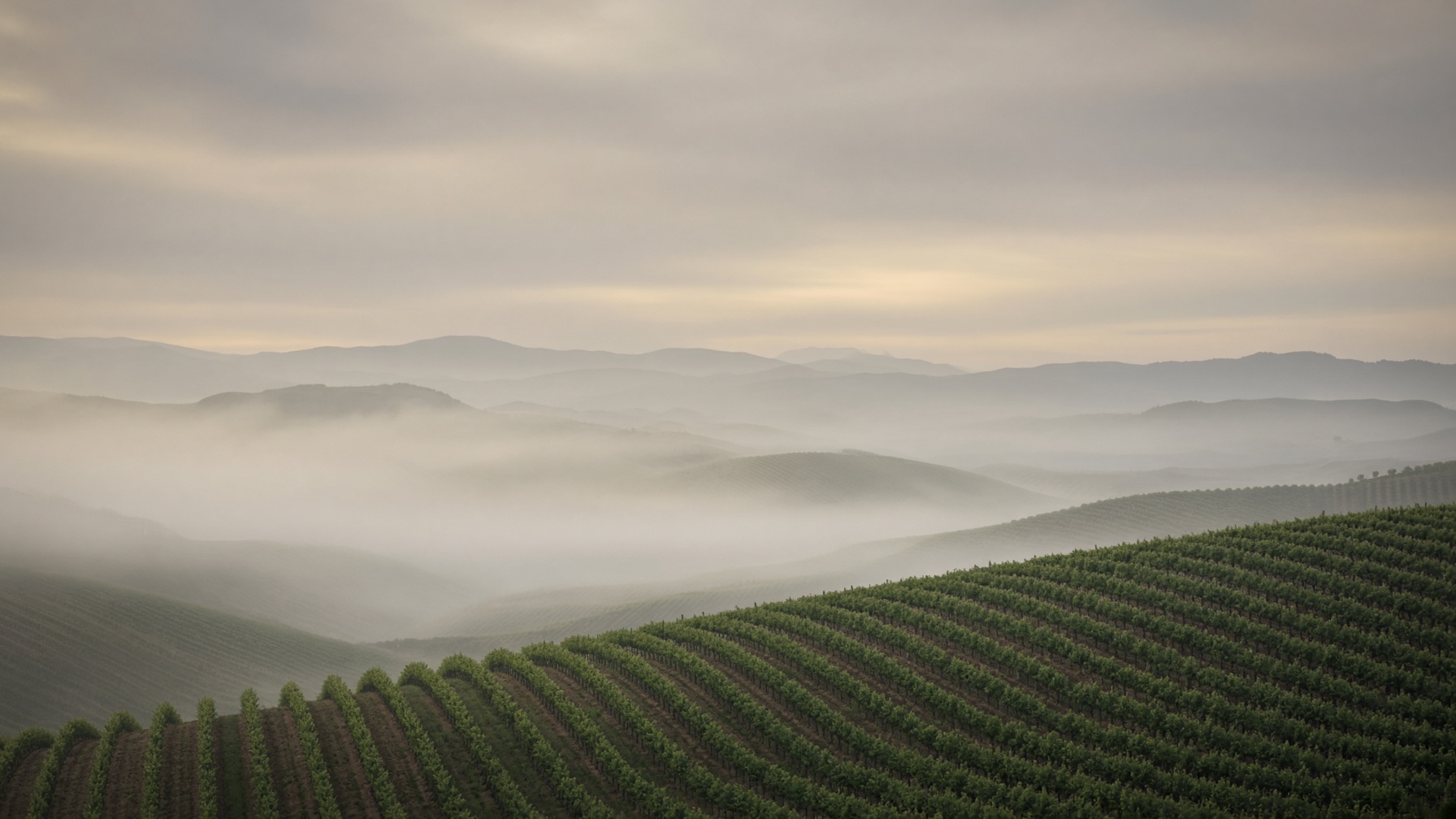
The wine comes from Casa de Vinuri Cotnari in Cotnari — a region in eastern Romania, named in the written record since 1448. It is not unknown to people who work with wine. It simply never became fashionable.

That is the whole point. Price follows fashion, not quality. And while fashion looks the other way, there is more in the glass than there is on the price tag. Nothing here has been rushed or dressed up. Time was allowed to do the work, and the result does not need a hard sell.

Note: The Moldavia region lies within Romania and inside the EU. It is not the neighbouring Republic of Moldova, a separate country outside the EU. The distinction matters for both the history and the import.

The wines

Few wines, chosen one at a time. Each bottle hangs on its own — selected, not accumulated.

The range will draw on several of the region's wine houses. The five shown are examples from one of them — Casa de Vinuri Cotnari — whose own range names they carry. The house lists more ranges than the five shown; the exact count is not stated unambiguously on their site, so only the confirmed ones appear. Grape and vintage details are provisional examples until the selection is agreed with the houses.
Awards

Awards are listed per house and per wine — and only with what can be documented.

2021Gold · Carpathia Wine Trophy
2022Silver · Danube Wine Challenge
2023Gold · Vinum Moldaviae
2024Gold · East European Wine Selection

Casa de Vinuri Cotnari states over 100 medals since 2011. The entries here show what the list will look like; each result is documented with competition, year, wine and placing before the page goes public.
The houses

The wine comes from several of the region's houses. The first described here is Casa de Vinuri Cotnari. The vineyards sit on south-east-facing slopes at around 250 metres on calcareous clay, and harvest is by hand — the three things that matter most to the style.

Documented so far: the house's emblem is Castel Vlădoianu, built in 1901 by the viticulturist Vasile Vlădoianu. The region is older: Cotnari appears in the written record from 1448. The two histories are separate and must stay so.

The rest of the historical thread belongs here — but only what a source can carry. Invented aristocratic history might sell a bottle and lose a retailer.

What the house states

Vine density
3.646 vines/ha
Yield
Limited 45 hl/ha
Grape varieties
Native only
Classification
DOC Cotnari

Figures from the house's own website, reproduced without interpretation. What they mean in the glass is for a professional to judge — not this page.

Visits & tastings

Cernăuți Suceava Iași Bârlad Galați COTNARI MoldaviaPars Principatus Moldaviæ0100 km

The hatching is the Carpathian arc, the tinted area the Moldavia region, and the rivers are the Danube, Siret and Prut. The dotted line is the Bârlad Trail, a documented medieval trade route; Cotnari lay near it, not on it. The map was drawn for this page — it is not a historic map.

Restaurant, wine shop, hotel

Price list, minimum order and lead time

Trade buyers should not have to read the story first. The numbers live on their own page.

Contact

The first bottles have not landed yet. Write if you would like to know when they do.

Demo — this form does not send.

Company details

Nordest Vin ApS
Henrik Ibsens Vej 7, st. th.
1813 Frederiksberg C
CVR 45 45 45 45
kontakt@nordestvin.dk

Trade

Range, pricing and delivery

No stories here — only numbers. Prices and terms are provisional examples until purchase price, freight and excise are finally settled.

Range

Wine Vintage Grape Alk. % Case MOQ Price/btl ex duty
VLADOIANU 2021 Grasă de Cotnari 12,5 6 24 96 kr.
NAIV 2023 Fetească Albă 11,5 6 24 62 kr.
COLOCVIU 2022 Tămâioasă Românească 12,0 6 24 74 kr.
DOMENII 2021 Fetească Neagră 13,5 6 24 82 kr.
ZAZ 2023 Busuioacă de Bohotin 11,0 6 24 68 kr.

Prices excl. VAT and excise duty. Excise duty on wine is settled with the Danish Tax Agency.

Trade terms

Minimum order
24 bottles
Lead time
5–10 working days
Freight
Carriage paid over DKK 2,500
Payment
Net 14 days
Exclusivity
By agreement
Samples
Yes — freight at cost

Import and documentation

Goods come from Romania — intra-EU trade, so no customs duty. Excise and registrations still apply. The points below are a checklist for the accountant, not settled matters.

  • Registration as consignee or authorised warehousekeeper (virk.dk / Danish Tax Agency)
  • EMCS access for intra-EU movements
  • Registration with the Danish Veterinary and Food Administration
  • Packaging tax and deposit scheme
  • Labelling: ingredients and nutrition declaration (EU requirement since Dec 2023, may sit behind a QR code)
  • Alcohol marketing rules — Danish alcohol advertising board and marketing act

Request the price list

Demo — this form does not send.

The wines

Photo to come

Tasting note:

Vintage
Grape
Appellation
Cotnari
Alcohol
Ageing
RRP

The region behind the map

A region with a long memory

The map on the front page was drawn for this site. The history behind it was not.

The map

The region is Moldavia — not the neighbouring country of the same name, but the Romanian region between the Carpathians and the river Prut. The map draws it the way an engraver might have: the Danube to the south, the Siret and the Prut crossing the lowlands, and the old trade road linking Cernăuți, Suceava, Iași, Bârlad and Galați. The map itself is new, drawn for this site; what it shows is real.

One more thing is worth noticing on a map: the latitude. Cotnari sits at 47°20′ north — Dijon, the capital of Burgundy, at 47°19′. On paper, the two wine regions share their sun and their seasons. What each has made of them is another and longer story, decided in the glass, not on the map.

The region

The village of Cotnari is first mentioned in written sources in 1448. Even then it was home to a sizeable Roman Catholic community of Germans and Hungarians — settlers who had travelled far and stayed. In the 1560s Prince Despot Vodă founded a Latin Renaissance academy in the town, led by the humanist Johannes Sommer, and by around 1641 Cotnari was the region's centre of Catholic learning, until the Jesuit school in Iași took over that role. The wine town, in other words, was also a town of scholarship.

Then there is the prince. Tradition credits Ștefan cel Mare, Prince of Moldavia from 1457 to 1504, with planting the vineyards of Cotnari — and the sources themselves call it tradition, so that is how we present it. What is documented is that the village became a secondary princely residence under his rule. Why a prince chose this particular place is a conclusion we leave to the reader.

The region gave its name to the grape Grasă de Cotnari, and the old Romanian varieties still stand in its vineyards — Tămâioasă Românească, Fetească Albă, Fetească Neagră and Busuioacă de Bohotin. Several wine houses work the region today; one of them, Casa de Vinuri Cotnari, states that it makes quality wine exclusively from Romanian grape varieties.

Two histories, not one

The history of the region is medieval; the history of its wine houses is modern. At Casa de Vinuri Cotnari, one of the region's houses, the landmark is Castel Vlădoianu, built in 1901 by Vasile Vlădoianu, a former national bank governor and winegrower, and the house describes itself as a second generation beginning in 2007. The two kinds of history belong together, but on this site they are kept apart: the soil is old, the houses are young. That is the fact, and that is how we tell it.

Dates and events on this page follow written sources; what is tradition is presented as tradition. The map was drawn for this site from the actual geography of the region and does not reproduce any particular historical map.

To the front page